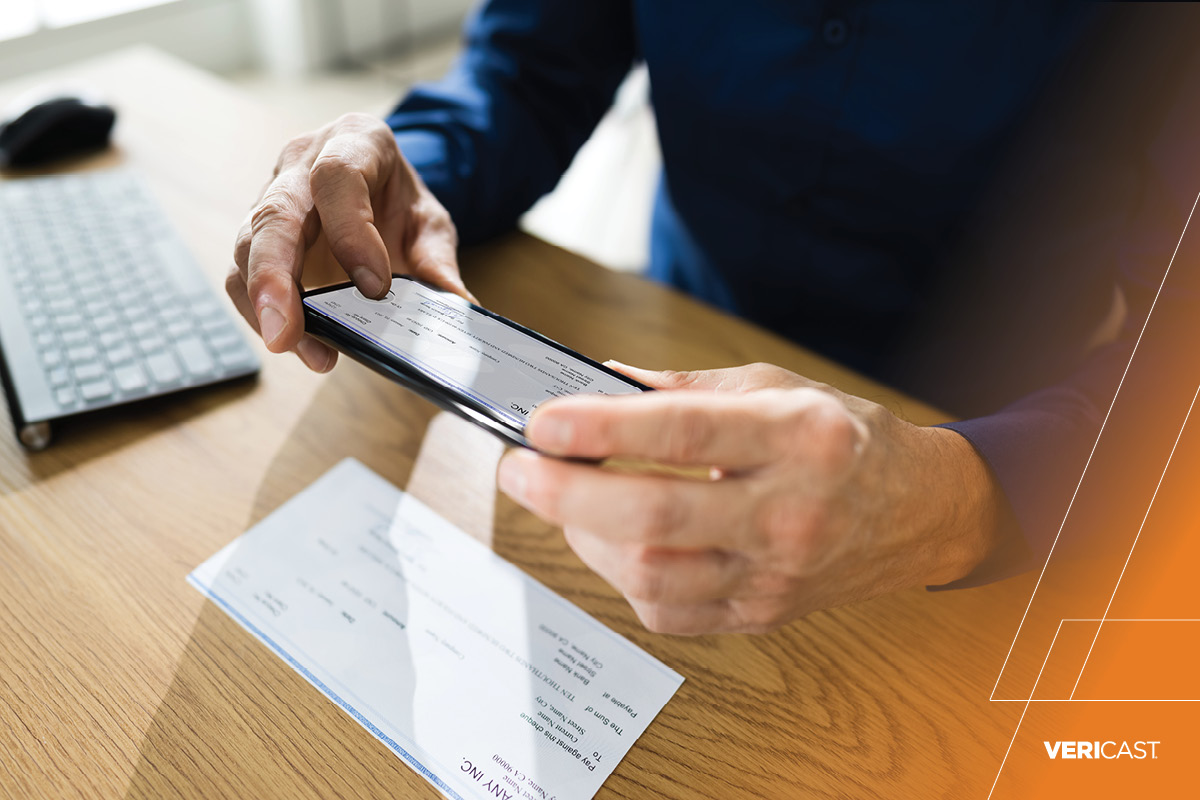
It is a common perception that paper checks are becoming obsolete. With the widespread adoption of digital wallets, mobile applications and immediate payment cards, traditional paper checks might appear outdated at first glance. Yet recent data and consumer trends tell a different story: paper checks continue to play a meaningful role in today’s payment ecosystem.
The question isn’t just whether checks are still relevant — it’s about understanding how they continue to serve both consumers and businesses in practical, meaningful ways. A closer look reveals the misconceptions surrounding checks and highlights why they remain a trusted payment method in an increasingly digital age.
The Surprising Reality of Check Usage
Digital payments might be the go-to for quick, everyday purchases, but when it comes to larger or more important transactions, many people still turn to checks. In fact, the Vericast Paper Check Usage and Sentiment Survey found that 53% of consumers choose checks even when digital options are available. Their reasons include recipient preference (33%), recordkeeping (28%), and avoiding fees (24%).1
Checks offer something digital payments often can’t: a sense of control, reliable documentation and added security — especially for situations where attention to detail matters. The physical act of writing a check, keeping a hard-copy record and being able to track payments provides a level of dependability that resonates with many. Even in today’s digital age, paper checks remain a trusted and practical tool for managing finances.
Misconception 1: Nobody Writes Check Anymore
A common belief is that writing checks is a thing of the past. While volumes have declined over time, the latest available national data from the Federal Reserve shows that checks still moved $8.1 billion, making checks one of the highest-value noncash payment methods.
Research shows that checks are often used for larger, high-priority transactions like rent, charitable donations, government fees and contractor payments. This reflects the trust and reliability people associate with paper checks for critical financial exchanges. Businesses, in particular, account for a significant portion of check usage. For business-to-business (B2B) payments, checks remain a preferred method due to their strong recordkeeping capabilities and the assurance they provide in complex transactions. For many, the physical documentation of a check symbolizes trust and transparency.
Misconception 2: Digital Payments Are Always Better
Digital payments are quick and convenient, but checks bring a level of reliability and simplicity that’s hard to overlook. They don’t rely on internet access, apps or specific devices, so they’re not affected by outages or technical glitches. According to the Vericast Paper Check Usage and Sentiment Survey, 24% of consumers choose checks to avoid transaction fees, highlighting their practicality and cost-effectiveness — especially for large transactions.2
Unlike digital platforms, checks don’t require you to confirm whether a contractor, landlord or vendor is set up on a specific app. They also help avoid the steep fees that often come with sending large payments through certain digital services.
Checks also stand out when it comes to keeping records. Every time you write a check, it creates a physical, legally recognized record of the transaction. This paper trail is incredibly useful for managing budgets, tracking business expenses or preparing for tax season. For many, having tangible proof of payment offers a sense of control that digital methods just can’t match — a sentiment shared by 28% of respondents in the Vericast Paper Check Usage and Sentiment Survey, who cited recordkeeping as a key reason for using checks.
Misconception 3: Younger Generations Have Abandoned Checks
It’s easy to assume that younger generations rely only on digital payments, but Millennials and Gen Z still use checks for major transactions according to the Federal Reserve. For expenses like home purchases, paying contractors, or managing childcare costs, checks provide the formality, security, and flexibility these situations often require. The Diary of Consumer Payment Choice notes that checks are often used for payments like rent, contractor fees and childcare costs, where trust and traceability are essential.
As their financial responsibilities grow, younger adults recognize the value of keeping a checkbook. Whether it’s avoiding fees on large payments, paying vendors or handling business transactions, checks remain a practical option. The AFP Digital Payments Survey highlights that while digital payments are growing, checks remain a preferred option for avoiding transaction fees in business-to-business (B2B) payments.
Ultimately, convenience drives payment choices for younger generations. They don’t stick to one method — they choose what works best for the situation. As long as landlords, local businesses and government agencies accept them, checks will remain a useful tool for managing finances.
How Vericast is Redefining the Role of the Check in the Modern Era
Vericast is helping financial institutions modernize their check programs to meet the evolving needs of today’s consumers and businesses. By combining innovation with proven reliability, Vericast ensures that checks remain a trusted and relevant payment option in an increasingly digital world.
Checks continue to play a vital role in high-value transactions, offering security, flexibility and reassurance that digital payments often can’t match. Vericast Check Solutions empower banks and credit unions to enhance their personal and business check offerings, creating opportunities to strengthen customer relationships and drive growth.
By integrating modern technology and strategic insights, Vericast helps financial institutions unlock new revenue potential while maintaining the trust and dependability their customers value. Partner with Vericast to elevate your check programs and turn them into a strategic growth engine for your business.
1. Vericast, Paper Check Usage and Sentiment Survey, May 2025, n=1,000
2. Ibid.